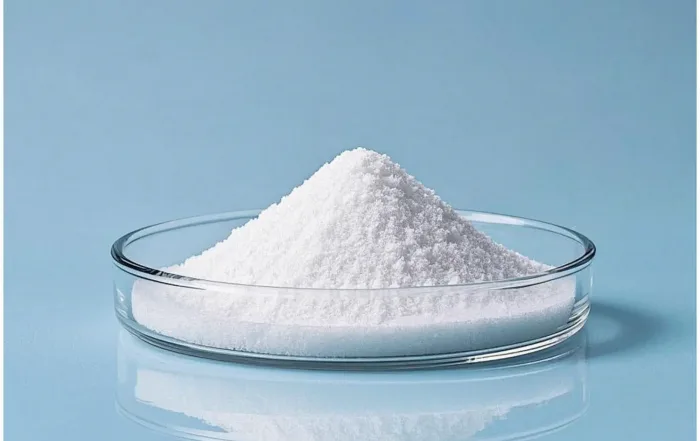
Sodium hydrosulfide (NaHS) is an inorganic compound with the chemical formula NaHS, composed of sodium ions (Na⁺) and hydrosulfide ions (HS⁻). It typically appears as colorless needle-shaped crystals or powder, is highly hygroscopic, easily soluble in water, and forms a strongly alkaline solution. Sodium hydrosulfide is mainly used in the dye industry, silicone industry, pharmaceutical intermediates, leather processing, copper flotation, pulp and paper, and fertilizer production.
The factors influencing the price of sodium hydrosulfide are complex, involving raw material costs, market supply and demand, regulatory policies, and regional characteristics.

I. Raw Material Price Fluctuations
1. Core Raw Materials:
Sulfur (or sodium sulfide) and sodium hydroxide are the two primary raw materials. Price fluctuations in these directly impact the production cost of NaHS. For example, sulfur prices can vary significantly due to downstream demand (e.g., phosphate fertilizers), import prices, and inventory levels.
2. Other Inputs and Energy Costs:
In addition to the main raw materials, the cost of hydrogen and energy consumption during production (e.g., electricity and fuel) also contribute significantly to the overall cost. Improvements in production processes and efficiency can help companies better control these expenses.
II. Market Supply and Demand
Supply and demand dynamics are the core mechanisms determining market prices.
1. Supply Side:
The global NaHS market is relatively concentrated, with the top three producers accounting for about 47% of global market share. China is a major producer and consumer, with many key manufacturers located in Shandong Province. Industry operating rates, new capacity additions, and unexpected shutdowns can all affect market supply.
2. Demand Side:
NaHS has a wide range of downstream applications, and its demand is closely tied to the performance of these industries.
- Copper Flotation: The largest application of NaHS is in mineral processing, where it is used as a precipitating agent. Changes in global mining activity, especially copper mining, have a significant impact on demand.
- Pulp and Paper, Chemicals, and Dyes: These are also important traditional markets.
- Emerging Applications: Demand from environmental sectors such as water treatment is growing. NaHS is also a key raw material in the synthesis of specialty chemicals like polythiols, and such high-end applications are further driving market growth.
III. Policies and Industry Standards
1. Environmental and Safety Regulations:
In recent years, environmental regulations have become stricter. Some small and medium-sized enterprises that fail to meet environmental standards have been shut down or required to undergo rectification, leading to temporary supply shortages and price increases. As a hazardous chemical, NaHS is subject to strict oversight in production, storage, and transportation, and compliance costs are reflected in the final price.
2. Industry Standards:
China is currently revising the national standard for Industrial Sodium Hydrosulfide. Updated standards may impose stricter requirements on production processes and product quality, thereby affecting production costs and market pricing.
IV. Other Factors
1. Regional Characteristics:
The Chinese market shows distinct regional traits. For example, Shandong Province is home to many NaHS producers. Prices may vary between regions, so it’s important to monitor developments in key production areas.
2. International Trade:
The United States is currently the largest global market for NaHS. Changes in international prices and trade policies can influence domestic supply-demand dynamics and price expectations through import and export activities.
3. Substitution Risk:
While the threat of substitutes is generally low in most applications, in certain specific uses, the availability of more cost-effective or environmentally friendly alternatives could impact localized demand for NaHS.